
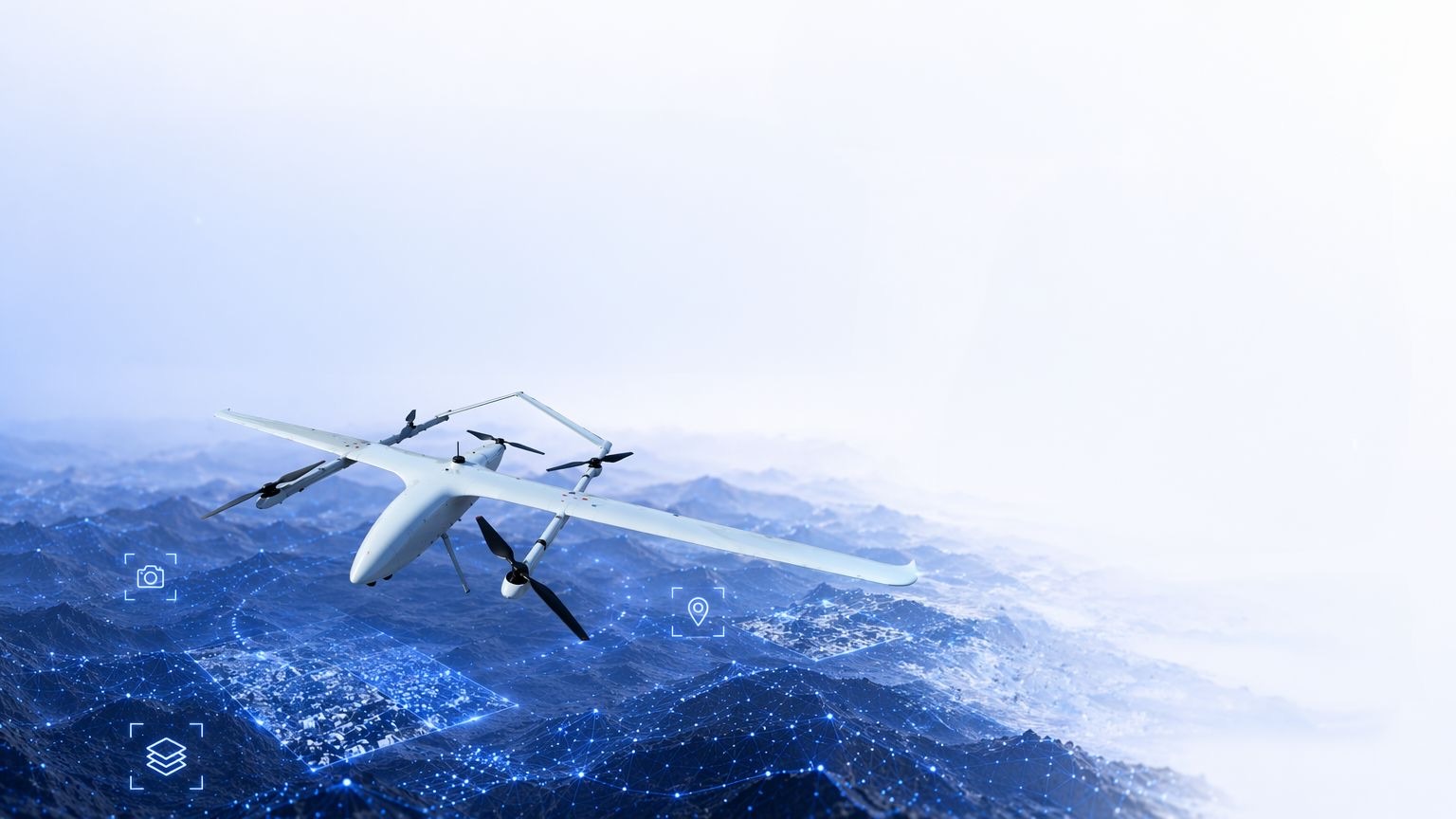
One architecture. One production line.
Two aircraft, one operating model. The G770 and the J613 share the same autonomy stack, the same command and control and the same production line — modular platforms for diverse mission profiles.
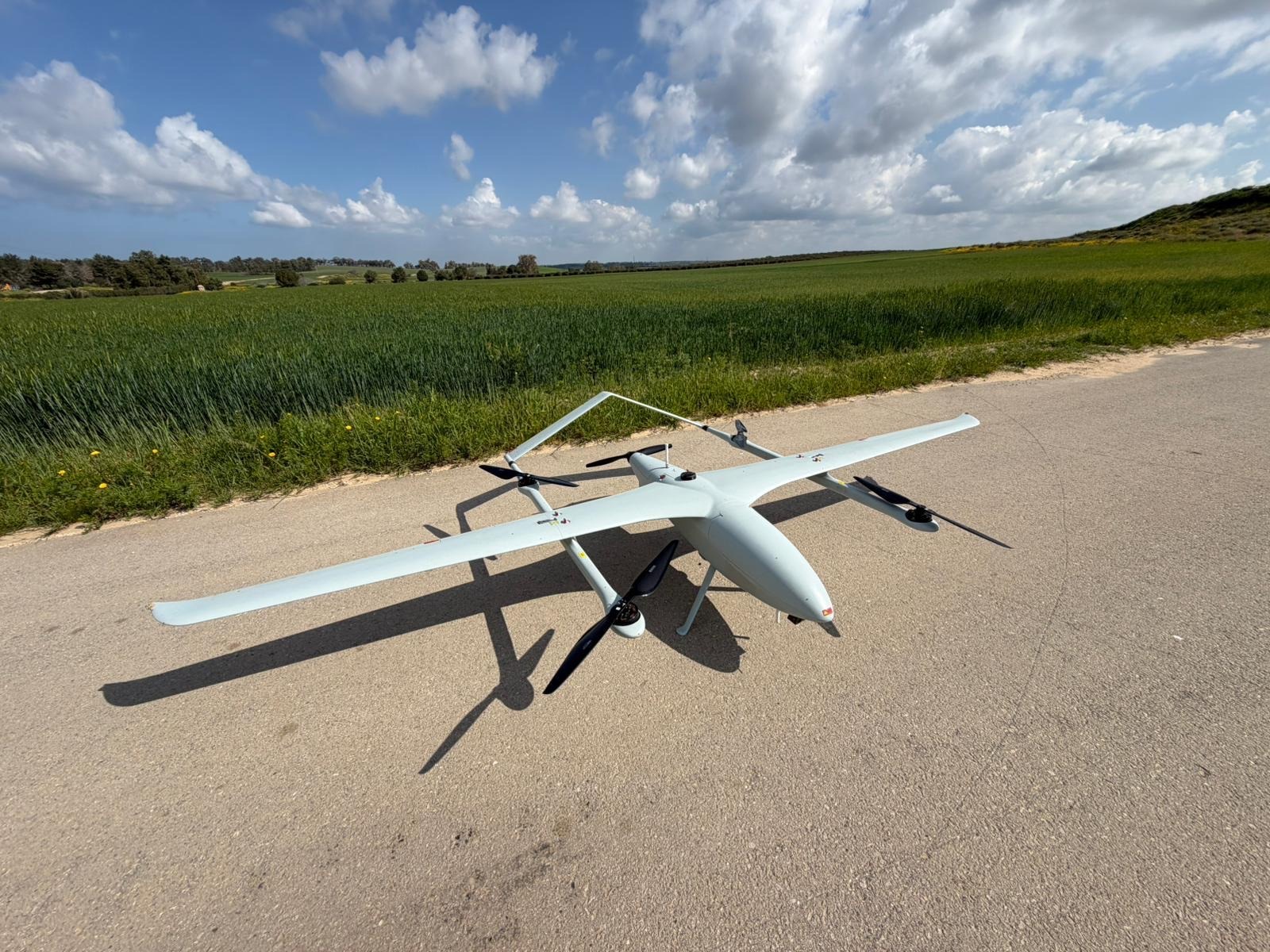
G770
Electric long-endurance VTOL
The baseline platform. A fixed-wing electric VTOL that launches and recovers without a runway, flies the full mission profile with no pilot in the loop, and navigates without satellite positioning.
- Range
- 100 km
- Endurance
- Up to 3 h
- Payload
- 5 kg
- Propulsion
- Electric
- Navigation
- GPS-independent
- Operation
- Fully autonomous
- Operating crew
- 2
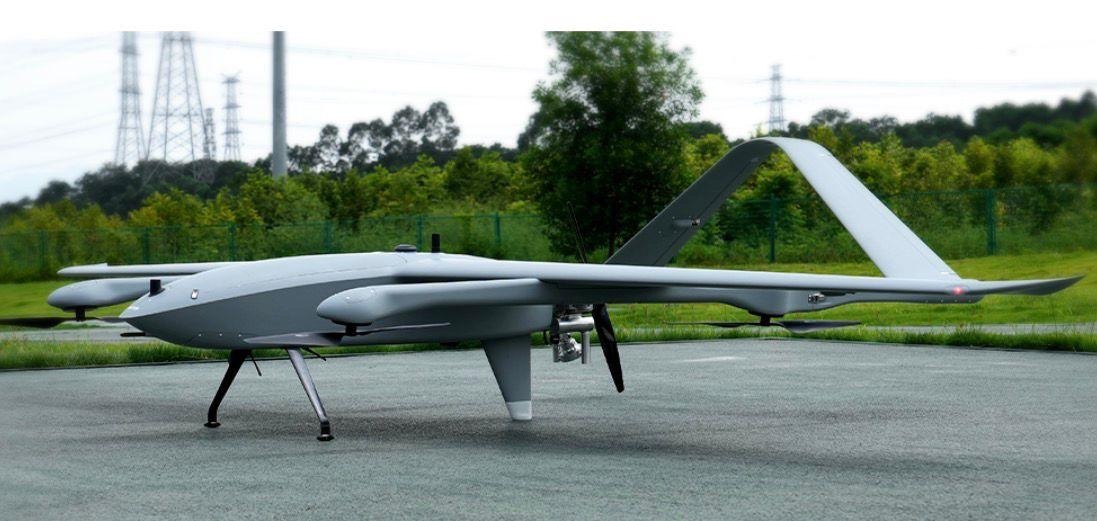
J613
Hybrid long-endurance VTOL for extended missions
Hybrid propulsion extends time on station and payload capacity. The autonomy stack and the command and control layer are identical to the G770 — one operating model across the fleet, one line behind it.
- Endurance
- Up to 10 h
- Payload
- 15 kg
- Propulsion
- Hybrid
- Autonomy
- Same stack & C2
- Operating crew
- 2
Sold as a system
A system is delivered complete — aircraft, ground control station and everything required to field them — with software and upgrades layered on the fleet already in service.
Three aircraft
Every system ships with three aircraft built to one standard on one production line.
Ground control station
A single station to define, launch and monitor missions across the aircraft in the system.
Training
Training for a two-person crew, built around soldier-level operation rather than specialist aircrew.
Payload integration
Mission payloads integrated onto the platform and into the command and control layer.
Support & spares
Sustainment, spares and field support for systems in operational service.
Software & upgrades
Autonomy and C2 improvements layered on the fleet already in the field.
Built for attrition warfare, not legacy doctrine
Today's tactical VTOLs were designed for a GPS-reliable, low-attrition world. AERINT was not.
| Capability | AERINT | Incumbent tactical VTOLs |
|---|---|---|
| GPS-independent navigation | Full mission continuity | Partial / assisted |
| Autonomy | Full — takeoff to landing | Remotely piloted |
| Operating crew | Two operators, soldier-level | Expert aircrew required |
| Production | Produced at rate, replicable | Low — hand-built |
| Cost vs. attrition | Designed to be fielded at scale | Too expensive to lose |
One system, across mission sets
The same aircraft, autonomy stack and ground control station wherever satellite navigation or trained operators are the constraint.
ISR & tactical intelligence
Persistent reconnaissance over contested ground, with navigation that holds when satellite positioning is jammed or spoofed.
Border & perimeter surveillance
Repeatable autonomous patrols along fixed lines — flown end to end without a pilot in the loop.
Maritime patrol
Runway-independent launch and recovery for coastal and offshore coverage, with the J613 extending time on station.
Urban operations
Vision-based navigation for dense environments where GNSS is degraded by structure and interference.
Emergency response
Rapid launch for situational awareness when infrastructure, communications and navigation are down.
Request an operational briefing
Platform capability, system composition and crew requirements — briefed for defense, security and intelligence organizations.